Heritage Russian · A practical family guide
Raising a Russian–English Bilingual Child Abroad
Raising a Russian-English bilingual child works best when Russian remains a language of close relationships, useful routines, and enjoyable stories. Start with a few habits your family can sustain, then build a gentle path from conversation to books and two alphabets.
Updated August 11, 2026 · 9 minute read
Define a living family goal for heritage Russian
Preserving Russian does not require perfect language separation or error-free speech. A useful goal may be for a child to understand relatives, participate in family conversations, enjoy stories, and gradually read in Russian.
Heritage Russian becomes more meaningful when it has a clear purpose. It might be the language of calls with grandparents, bedtime books, family recipes, songs, or summer visits. Choose two or three situations that already matter to your family instead of trying to redesign the entire day at once.
Build a routine the whole family can sustain
A short daily rhythm is often more realistic than an occasional long lesson. Your family does not have to speak Russian all day. Predictable language moments help a child know when, where, and with whom Russian is used.
Create a simple weekly plan around activities that already happen. If a day is missed, return to the routine without doubling the next session or turning language into unfinished homework.
- Morning: name clothes, breakfast foods, and the day’s plan in Russian.
- After school or daycare: ten minutes of child-led play with a Russian-speaking adult.
- Evening: one short book, familiar song, or conversation about a picture.
- Weekend: a grandparent call, family recipe, or Russian word hunt during a walk.
When a child understands Russian but answers in English
Many families notice that a child understands Russian but answers in English, the stronger community language. This still shows meaningful comprehension. Respond to what the child said first, then offer a natural Russian model without interrupting the conversation for a correction.
If a child says, “I want water,” you might reply, “Хочешь воды? Сейчас налью.” An easy choice can invite a small Russian response: “Холодную или тёплую?” Avoid requiring the child to repeat every sentence before receiving what they asked for.
Reusable phrases can make speaking easier: “Помоги, пожалуйста,” “Можно ещё?”, “Я не знаю,” and “Давай вместе.” A child can enter a successful exchange with one complete phrase before having a large active vocabulary.
Turn grandparents into conversation partners, not testers
Grandparents and extended family can give heritage Russian an irreplaceable personal purpose. A short, predictable video call often works better than a long conversation with no shared topic. Before the call, choose a toy, drawing, photograph, or book page the child can show.
Specific prompts are easier than “Tell me something in Russian.” A grandparent can ask the child to find an object in a picture, finish a familiar line, choose between two foods, or hear a brief family story. If the child points or replies in English, the adult can keep the exchange warm and restate the idea in Russian.
- Keep one regular day and time for a brief family call.
- Share one photo of the week and ask two concrete questions about it.
- Read one page together or invent a story from its illustration.
- Exchange a voice message with a riddle, song, or good-night wish.
Move from spoken Russian to books and two alphabets
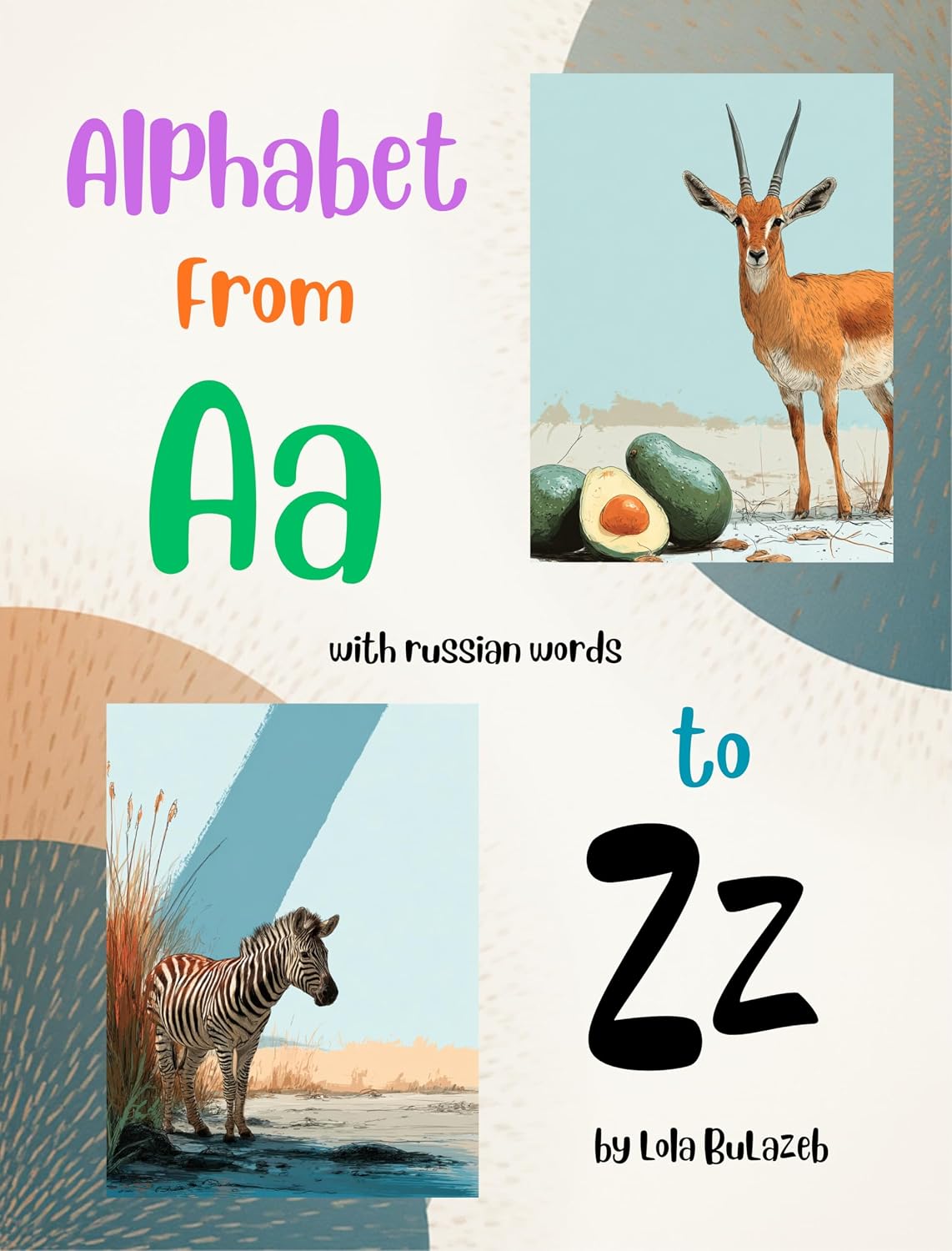
Letters are easier to notice when they belong to words a child already understands. Talk about a picture first, name it in Russian and English, and then point to the opening letters. Matching words such as zebra — зебра, banana — банан, and doctor — доктор create a memorable bridge between the languages.
Some Cyrillic and Latin letters look alike but represent different sounds. Compare one pair at a time and return each letter to a complete word. A child does not need to finish one alphabet before meeting the other; clear examples and a comfortable pace matter more than a strict sequence.
Bring Russian print into ordinary family life. Label a drawing, find the first letter of a name, build a word with magnets, or send a simple card to a relative. Literacy then grows from communication instead of feeling like a separate school assignment.
Measure connection, not only spoken word counts
Progress may look like following a new request, choosing a Russian book, recognizing a familiar letter, laughing at a grandparent’s story, or starting a conversation. Spoken vocabulary is important, but it is not the only sign that a child is building a relationship with a language.
Once a month, notice which routines the child joins most willingly and keep those. Interests will change with age: alphabet books may lead to comics, board games, messages to relatives, music, or audiobooks. Preserve a regular reason to use Russian rather than insisting on one activity forever.