Two alphabets · A practical plan
Can a Child Learn Russian and English Alphabets at the Same Time?
Yes, a child can become familiar with Russian Cyrillic and English Latin letters during the same stage of childhood. This does not require two formal lessons or equal progress in both languages. Clear language cues, familiar words, and short repeatable routines give each alphabet a useful place in family life.
Updated August 11, 2026 · 8 min read
The short answer: yes, without expecting equal progress
A child may see Cyrillic at home while English Latin letters appear at preschool, school, in books, and on signs. Families do not have to wait for complete mastery of one alphabet before introducing the other. It is more useful to explain which language a word belongs to and why the child may want to read it.
The two alphabets will not always receive the same amount of practice. If English surrounds the child outside the home, Russian may need a protected family routine. If Russian is the stronger home language, familiar Russian words can provide meaning when English letters are introduced.
Give each language a clear cue
Before reading, use a simple phrase such as “This word is in English” or “Now we are reading Russian.” Separate books, bookmarks, or times of day can help, but families do not need to create two classroom-style lessons.
Language labels are particularly useful when letter shapes look familiar. Latin C and Cyrillic С, for example, look alike but represent different sounds in particular words. Instead of saying that the child is wrong, provide context: “This is English C in cat” or “This is Russian С in сок.”
Connect letters through pictures, meaning, and whole words
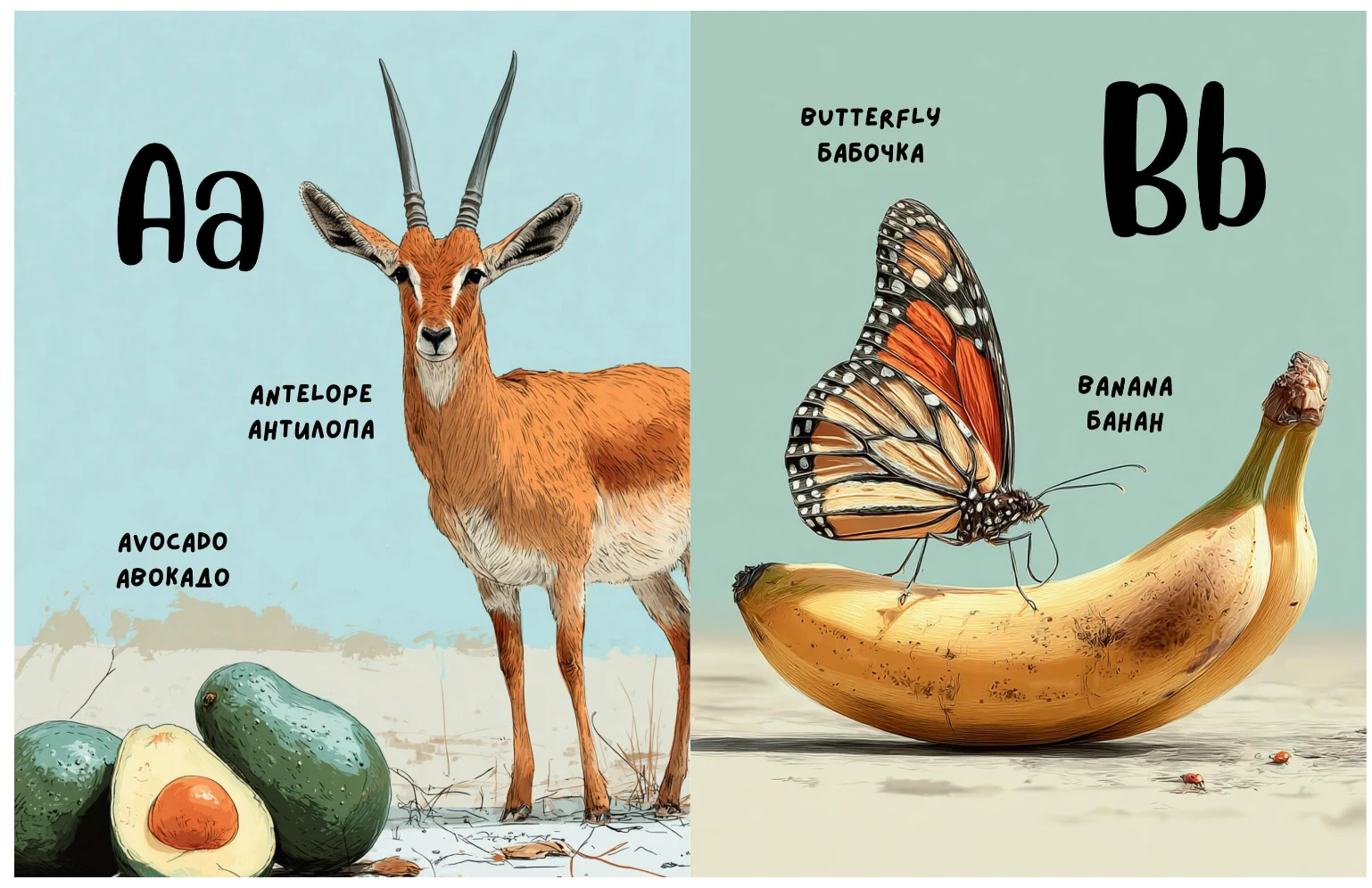
Comparisons are easier when the meaning remains familiar. A zebra picture can introduce zebra and зебра, a banana can introduce banana and банан, and a doctor can introduce doctor and доктор. Name the object first, then briefly notice the opening letters and sounds.
Not every English word has a Russian partner with the same opening letter or similar pronunciation. There is no need to force every page into one rule. Matching words are a useful starting point, while other vocabulary can be introduced through pictures, stories, and conversation.
Try a short five-step routine
One picture and five to ten relaxed minutes can make a complete activity. A predictable sequence lets children understand the game and return to it without a long explanation.
Speaking on demand is not required. A child can participate by pointing, choosing, moving, listening, or asking to see a favorite page again.
- Choose one familiar picture.
- Name it in English and point to the beginning of the word.
- Name it in Russian and point to the Russian spelling.
- Compare only one feature: a sound, opening letter, or similar pronunciation.
- Finish with an easy action: find the object, point to the picture, or choose between two words.
Respond calmly when the alphabets get mixed
While learning two writing systems, a child may occasionally use the name or sound of a letter from the other language. This is understandable when visual forms overlap and does not by itself mean that one alphabet must be removed.
Name the language, say the whole word, and model the letter in context. A brief, friendly cue is usually more useful than repeatedly testing an isolated symbol. Families with broader concerns about speech or reading development can speak with an educator or another qualified professional familiar with bilingual children.
Notice engagement as well as correct answers
Progress may include recognizing a picture, finding a familiar letter, completing part of a word, comparing two spellings, or requesting the same page again. These are meaningful signs of participation even before a child can name every letter independently.
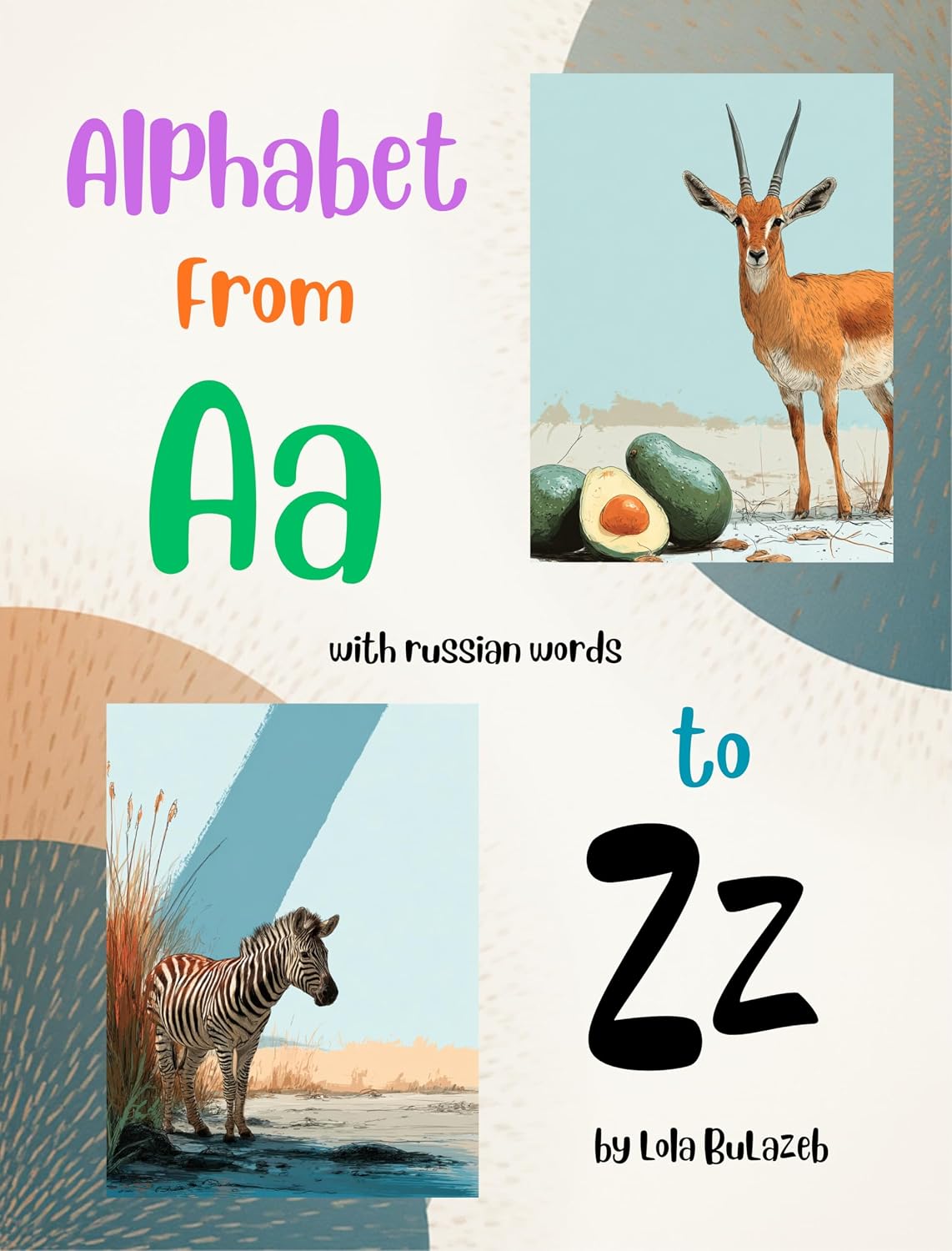
A picture alphabet book can support letter awareness, vocabulary, conversation, and shared reading. It is not a complete reading curriculum. Families may later add resources that teach all 33 Cyrillic letters, sound blending, syllables, and independent reading.